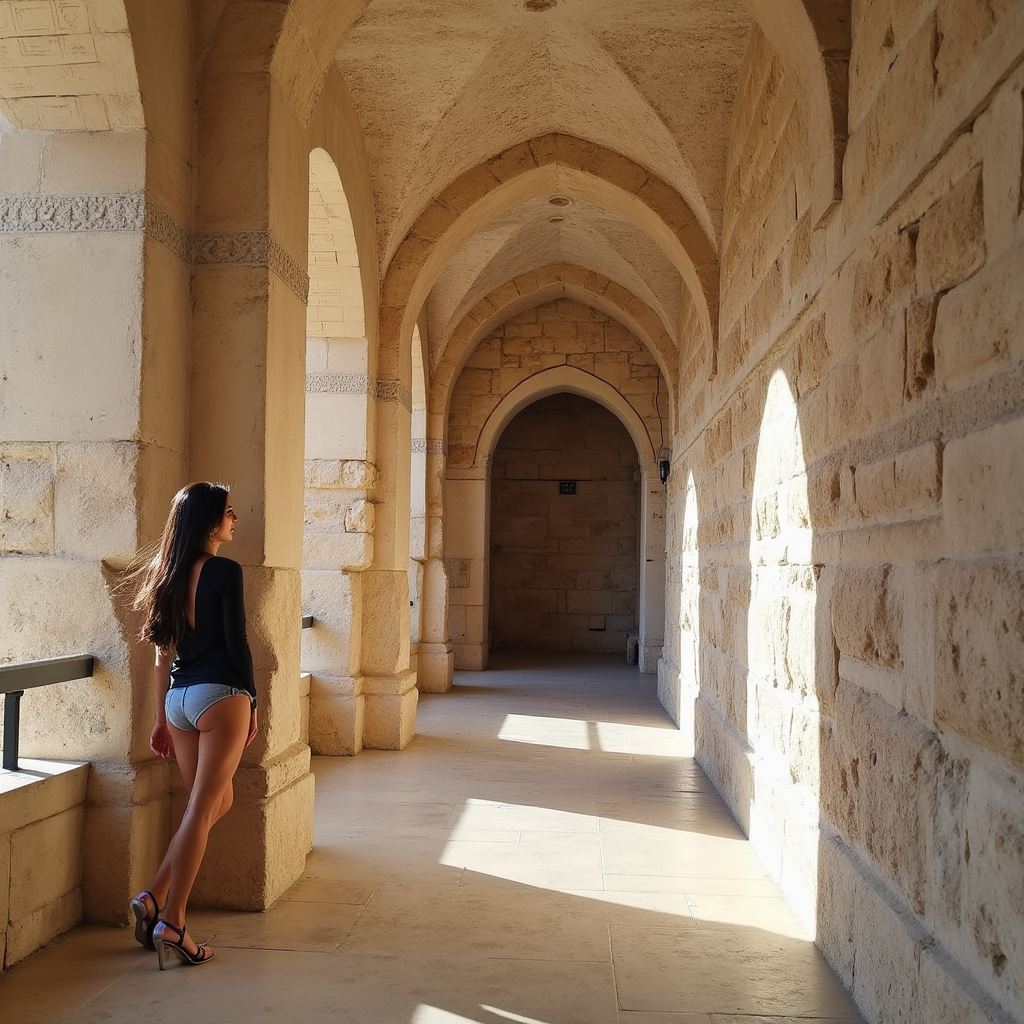
1. History of Architecture in Jerusalem
Architecture in Jerusalem reflects the ancient and complex history of the city. It serves as a signal to the city’s identity and bold history. Each neighborhood in Jerusalem contains unique architecture that testifies to the historical and cultural processes that have occurred within it.
In biblical times, Jerusalem was built with religious and royal buildings, such as the Temple Mount and the Western Wall. In the Hellenistic period, Muslim buildings were constructed, such as the Dome of the Rock and the Old City. During the Crusades, churches and monasteries were built, and during the Ottoman period, mosques and merchant houses were constructed.
During the British rule, government buildings and religious houses were built in Jerusalem, and during the Israeli state period, public and commercial buildings were constructed. Today, modern architecture and luxurious residences can be found in Jerusalem.
Architecture in Jerusalem represents the influence of Jewish, Christian, and Muslim cultures. It aims to create functional and aesthetic spaces that enhance the city’s uniqueness and promote social and cultural activities.
2. Architectural Styles in Jerusalem
Jerusalem offers a wide variety of architectural styles that reflect the city’s rich and diverse activity. From the Haredi and Sephardic with their traditional and colorful style, through the modern and European, to the authentic and Eastern style. Each style reflects the unique history and culture of Jerusalem.
Youth hostels in Jerusalem are an integral part of the city’s architectural wonders
Rebecca Cohen – Tour Guide
The Haredi style in Jerusalem is evident in synagogues and traditional study houses built of stone and traditional architecture. The Sephardic style intertwines with the Old City and Jewish heritage, with its narrow and private streets that give Jerusalem a special atmosphere.
The modern style in Jerusalem is expressed in tall buildings and innovative shopping centers that blend perfectly with the city’s traditional culture. The European style is presented in cafes and luxurious hotels built with classical and intricate architecture.
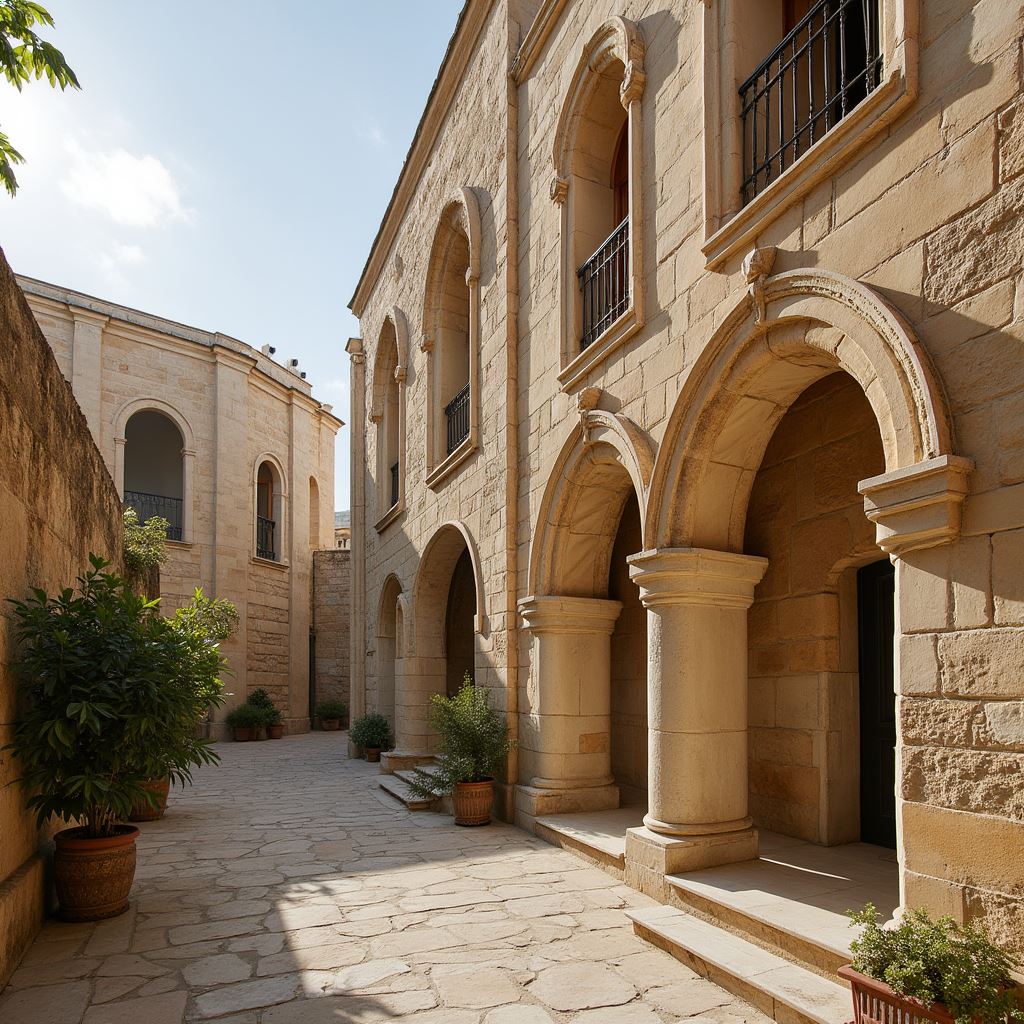
One cannot forget the authentic Eastern style reflected in the market squares and traditional food houses in Jerusalem. The city’s architecture beautifully combines the past and present, creating a unique and fascinating experience for visitors and tourists.
3. Most Impressive Buildings in Jerusalem
Jerusalem, the capital of Israel, contains several stunning buildings that reflect its rich history and culture. In this article, we will present some of the most impressive buildings in the holy city:
When the city looks at architecture, it observes its past and future
Deborah Levi – Historian
The Western Wall – The Western Wall is one of the holiest sites in Judaism, serving as an important prayer and contemplation spot. The Wall is a common place of prayer on Saturdays and holidays and is also a must-see for tourists from around the world.
The Great Church of the Successful – The Great Church of the Successful is one of the most impressive religious buildings in Jerusalem. The church serves as an important religious center for Christians in the city and is located in the heart of the Old City.
The Al-Aqsa Mosque – The Al-Aqsa Mosque is one of the most impressive religious buildings in Jerusalem, located in the city’s Muslim quarter. The mosque serves as an important place of prayer for Muslims and is renowned for its amazing architecture.
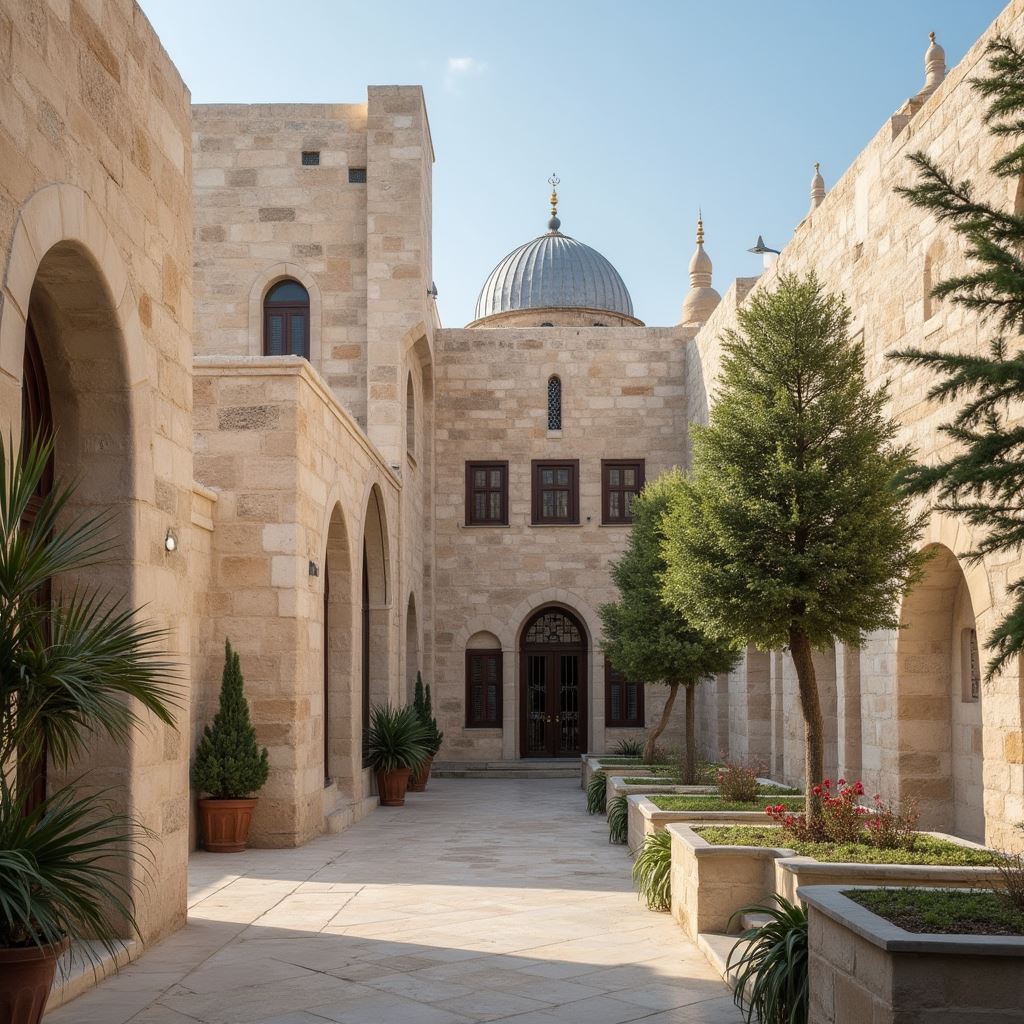
These are just a few of the most impressive buildings in Jerusalem, and there are many more fascinating buildings and places to visit in this marvelous old city.

Influence of Religion on Architecture in Jerusalem
Jerusalem is a unique place in the world where religious and secular, ancient and modern elements merge. The influence of religion on architecture in Jerusalem is inevitable and can be seen throughout the city.
Construction in Jerusalem reflects the history and culture of the place. From ancient structures like the Western Wall and Christian churches, to modern buildings like the American Consulate building and high-rise towers in the city center – all reflect Jerusalem’s religious and cultural influence.
In Jerusalem, one can find buildings constructed in ancient Jewish architectural style, with small windows and local sculptures. The mosques and churches in the city also display different architectural styles that reflect the various religions and cultures present in the city.
Due to the religious influence on architecture in Jerusalem, it is important to understand that the city is a tri-faith settlement, blending tradition with innovation, religious with secular. This is where architects connect the past to the present and religious identities to create spaces that reflect the city’s culture and religious identity.
5. Modern Architectural Projects in Jerusalem
Jerusalem is a city where ancient history merges with modern architectural design. Modern architectural projects in the city offer advanced and innovative designs that blend the past with the future.
A beautiful building is like an escort girl – knows how to highlight the good in her beauty
Rebecca Cohen – Writer
Modern architectural projects in Jerusalem offer unique and innovative solutions to the city’s infrastructure and architecture needs. Residents of Jerusalem enjoy modern and innovative city buildings that blend beautifully and perfectly with the old and traditional city.
In Jerusalem, one can find modern architectural projects throughout the city, from the city center to the surrounding neighborhoods. Each project is unique and impressive in its design and use of modern and innovative materials that blend into the urban environment.
Modern architectural projects in Jerusalem are an integral part of the city’s growth and development. They bring renewal and quality of life to the city’s residents and offer advanced and innovative solutions to the infrastructure and architecture needs of Jerusalem.
6. Challenges and Opportunities of Architecture in Jerusalem
Jerusalem is one of the oldest cities in the world, with a rich history and diverse culture. Architecture in Jerusalem faces a variety of challenges and opportunities that can influence the design and development of the city.
One of the main challenges of architecture in Jerusalem is preserving the city’s historical heritage. Jerusalem contains several ancient buildings and sites that are an integral part of its cultural identity. When planners and architects design new buildings, they must also consider preserving the historical and cultural sites.

Additionally, planning and security limitations require architects to avoid building tall structures in the city. This is because Jerusalem is a religious city with strict laws limiting building heights. Therefore, architects need to think creatively to adapt the design to the local planning restrictions.
Despite the challenges, Jerusalem also offers many opportunities for architects. The city is changing and growing, as are its criticism and entertainment. Architects can use their knowledge and skills to create unique solutions that improve the lives of residents and visitors in the city.
In conclusion, architecture in Jerusalem presents fascinating challenges and exciting opportunities. The ability to preserve the city’s culture and create innovative solutions is what sets ordinary architects apart from architectural wonders who successfully cope with challenges and seize opportunities.