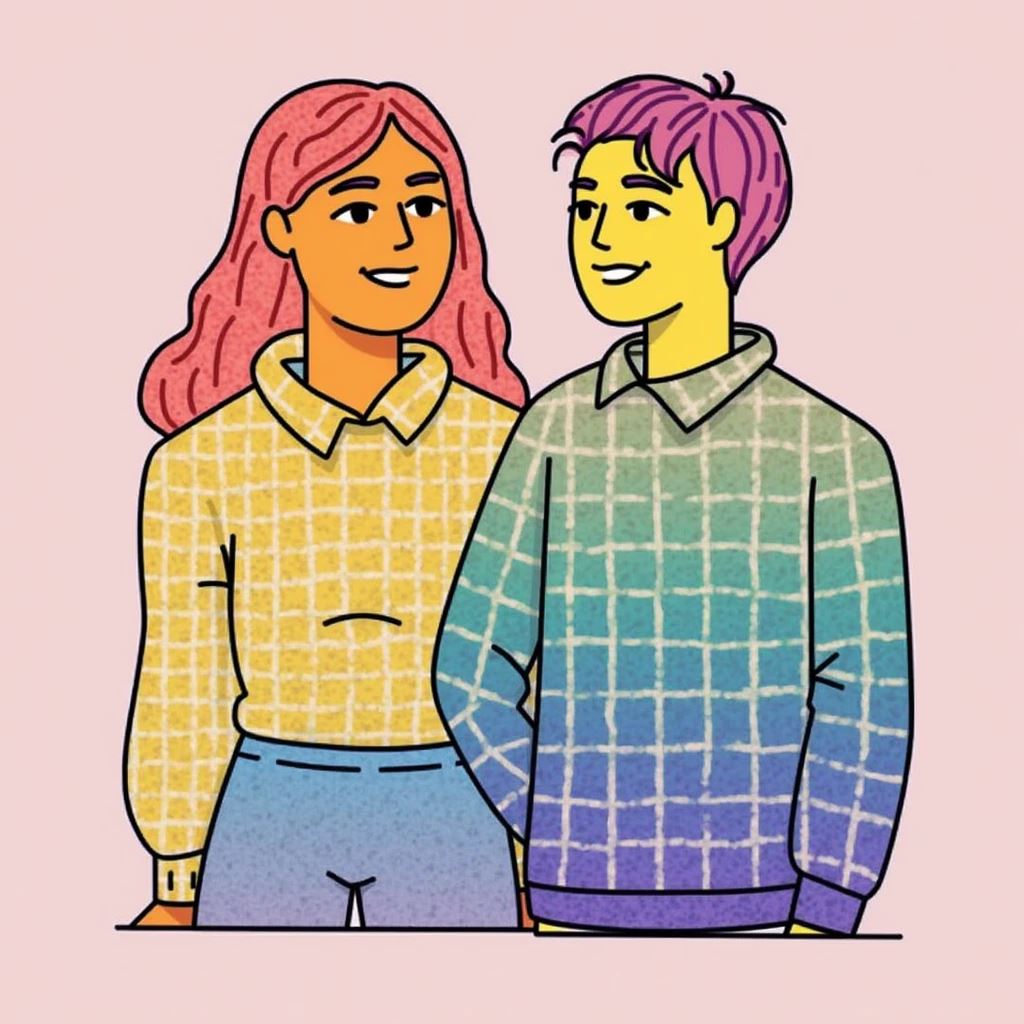
The Challenges of Social and Family Acceptance
Unfortunately, there is still much to be done in promoting understanding and support for people with non-conventional gender identities. The struggle for identity and social and family acceptance can always be complex and painful, but with effort and perseverance, positive change can be achieved.
When we focus on understanding non-conventional gender identities, we can create a more inclusive and compassionate society.
Maya Givati – Political Feminist
Real struggles begin at home. The family is the first and most important place where a supportive and accepting environment should be created for everyone, regardless of their gender identity. It is important to understand that children need to feel supported and accepted in order to develop self-confidence and a better understanding of themselves and the world around them.
Society as a whole needs to progress and evolve, and so do educational, medical, and public institutions. It is necessary to create a supportive and accepting infrastructure that welcomes every individual regardless of their gender identity. It is important to promote public awareness and expand knowledge and understanding of these issues among the general public, so that it is comfortable and safe for everyone to express themselves and be part of society without fear or apprehension.
The Influence of Culture and Gender on Identity
An individual’s gender identity is a complex process shaped by various factors, such as gender, culture, society, and their history. When it comes to people with non-conventional gender identities, it is important to understand the influence of culture and gender on this process.
Gender and culture are two main factors that influence a person’s identity. Gender defines the social and emotional role of the individual in society, while culture shapes how they see themselves and the world around them. When there are non-conventional gender issues at play, such as gender identities different from the accepted biological options, it is important to understand that the influence of culture and gender on the identities of these individuals is significant.
In order to promote understanding and support for people with non-conventional gender identities, it is important to create a supportive and accepting environment. This includes creating content and programs tailored to this audience, such as workshops, lectures, and activities that empower their gender identity. Additionally, it is important to promote equality and success for people with non-conventional gender identities in all aspects of life, and to understand and appreciate the cultural and gender differences among us.

With the assistance of professionals and emotional empathy, it is possible to create a supportive and empowering environment that promotes understanding and support for people with non-conventional gender identities. In this way, we can create a multicultural and gender-inclusive society that encourages the belonging and mutual respect of everyone.
The Challenges in the Process of Recognition and Self-Acceptance
Recognition and self-acceptance of non-conventional gender identities can be complex and difficult processes. Internal struggles, lack of understanding from the environment, fear of social influence, and more can be major components in the challenges individuals face in this process.
In order to promote understanding and support for people with non-conventional gender identities, it is important to create a supportive and accepting environment. This may include open and respectful dialogue, education and training on topics related to different gender identities, and creating safe and accessible spaces.
Support and understanding can be expressed by giving a voice to individuals with non-conventional gender identities, listening to and understanding their experiences, and promoting equal rights and opportunities for everyone in the community.
Understanding and support are important foundations for building strong and meaningful social relationships.
Tamar Cohen – Manager
To enhance support and understanding, it is important to dedicate time and effort to learning and understanding different perspectives, giving voice and status to individuals with non-conventional gender identities, and promoting social and cultural change towards them.
The Need for Cultural and Social Change to Support Non-Conventional Identities
The phenomenon of non-conventional gender identities poses major challenges to society that require deep cultural and social change. In order to promote understanding and support for people with these identities, it is important to act in a practical and action-oriented manner.

One effective means to promote understanding and support is to create a positive and inclusive support environment. This is a crucial component in establishing a community that supports and accepts individuals with non-conventional identities equally and rightfully. Everyone can contribute to creating a culture that embraces diversity and promotes human dignity.
There is also a need for a change in societal and cultural attitudes towards individuals with non-conventional gender identities. By understanding and acknowledging their rights and unique needs, equality and social justice can be promoted. It is important to listen to their voices, provide space for them to express themselves, and promote their social belonging.
In conclusion, supporting people with non-conventional gender identities requires deep cultural and societal changes. Creating a positive support environment, promoting understanding and respect, and paying attention to their unique needs are essential. In this endeavor, we must work together to create an inclusive and accepting society that promotes equality and justice for everyone.
The Benefits of Diverse Abilities and Experiences
Support and understanding are especially important when it comes to people with non-conventional gender identities. A key advantage of diverse experiences is the ability to understand and accept the perspective of each individual, regardless of their gender identity.
When we provide appropriate support and responses to people with non-conventional gender identities, there is a significant benefit for society as a whole. The ability to understand and accept the needs and desires of every group ensures that everyone can be part of the community equally and fully.
Every person deserves support and understanding, regardless of their gender identity.
Abigail Rosenfeld – Occupational Psychologist
Individuals with non-conventional gender identities can contribute to society in a unique and special way. When we embrace the abilities and experiences of each individual, we can promote creativity, innovation, and unique solutions to various problems.
Read More

In summary, support and understanding are crucial when it comes to people with non-conventional gender identities. By being able to understand and accept every individual equally, we can create a diverse, multicultural community where everyone feels comfortable and accepted.
How to Create a Supportive and Accepting Environment for Every Gender Identity
Our support and understanding towards people with non-conventional gender identities are essential for building an environment that responds and accepts all individuals in our community. How can we promote understanding and support for these individuals?

Firstly, it is important to listen and understand their needs and feelings. Each person is unique and should be treated with respect and humility. We must create an open and friendly environment where everyone feels comfortable expressing themselves.
Additionally, it is important to educate ourselves and our team on topics related to different gender identities. We need to be aware of the challenges they may face and know how to provide appropriate responses to their needs.
Ensuring that our organization’s policies include protecting the rights of individuals with non-conventional gender identities. We can promote understanding and support by creating a safe environment and marketing for the entire community.
In conclusion, creating a supportive and accepting environment for people with non-conventional gender identities requires sensitivity, understanding, and dedication from us. When we dedicate time and effort to creating such an environment, we can build a diverse and accepting community where everyone feels at home.