

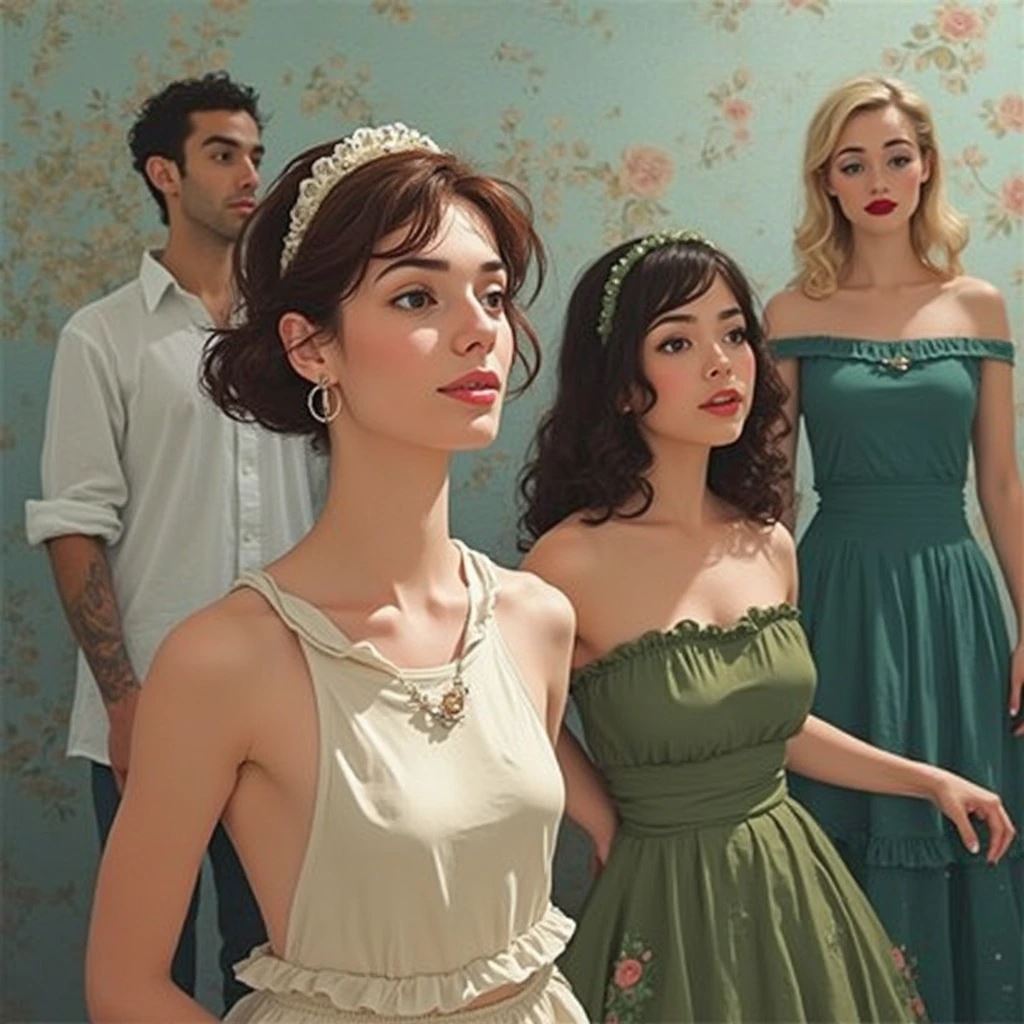
The Influence of Culture on Our Understanding of Gender Identity
Culture has a profound impact on our understanding of gender identity. The term “gender identity” refers to the complexity of perceptions, attitudes, and stereotypes related to a person’s gender and their personal and social relationship to that gender. Culture is the system of values, actions, and influences that define the community or society in which we live. It directly and indirectly influences how we relate to gender identity.
Culture contains our true identity and allows us to better understand it.
Natan Zahavi – Israeli artist and social leader
Culture is shaped by social institutions, such as family, education, religion, and media, which influence how we see ourselves and others. Through culture, we learn what is considered “normal” in terms of gender roles, and which perceptions and beliefs are considered acceptable or undesirable.
In a certain cultural system, gender uniqueness may be perceived differently than in another culture. For example, in a culture that presents unique gender perceptions, there may be a much greater ability to seriously accept and understand the gender experiences of others.
In conclusion, it can be seen that culture significantly influences our understanding of gender identity. By understanding the influence of culture on our perceptions, we can promote equality and respect for all individuals regardless of their gender.
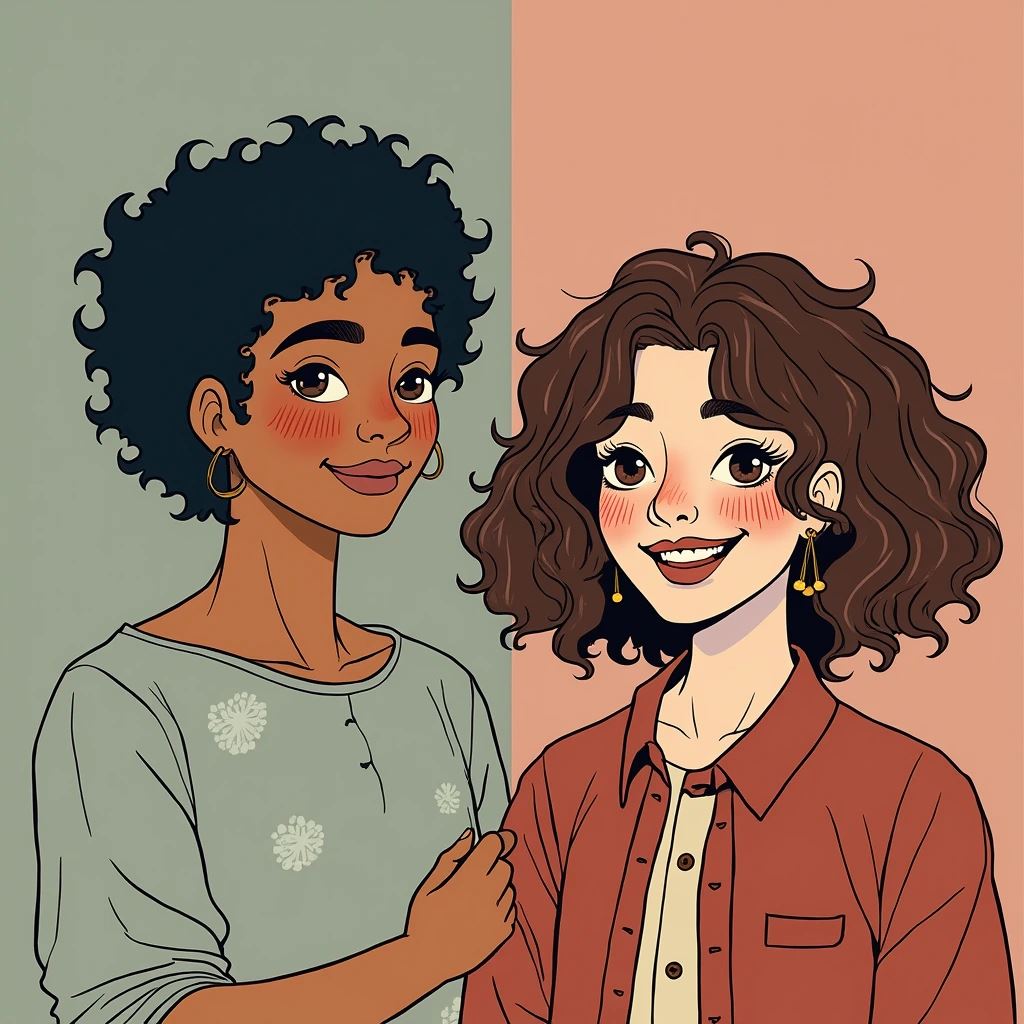
The Influence of Art and Literature on Our Understanding of Gender Identity
Culture, especially art and literature, greatly influence our understanding and coping with gender identity. Over the years, diverse works of art and literature have dealt with various processes of constructing gender identity, its importance, and its impact on society.
Literature, for example, can enhance our understanding of gender identity by presenting different narratives focusing on the experiences and emotions of individuals of different genders. In this way, literature allows us to connect and better understand the inner worlds of people of different genders, expanding our perspectives.
Similarly, art in any form influences our understanding of gender identity. Various art forms can present us with images, colors, and emotions that evoke in us a desire to understand and connect with the worlds of people of different genders. In this way, art allows us to feel and experience gender perspectives in diverse and fascinating ways.
Ultimately, art and literature serve as important tools in the process of understanding and coping with gender identity. These works encourage us to rethink gender concepts and values, allowing us to broaden our horizons and understand different worlds in a deeper and more complex way.
American and European Cultures as Models for Understanding Gender Identity
American and European cultures are two important models in understanding our gender identity. In the modern world, culture significantly influences our understanding of gender identity. Cultural influence is noticeable in music, literature, cinema, art, and public awareness, affecting our perceptions of gender roles, social stigmas, and gender behaviors.
American culture offers a model of diverse and gender-neutral gender identity. In countries like the United States, there is a great sensitivity to various gender identities, leading to a wide variety of cultures, values, and male-female models. American culture promotes equality and respect for every individual regardless of their gender or sexual identity.
In addition, European culture offers a model of classical and traditional gender identity. In countries like France and Germany, there is a culture with a traditional perception of gender identity, where gender roles are defined in a structured way and the sense of place is determined according to the standards of a certain culture.
In summary, American and European cultures are two central models influencing our understanding of gender identity. While American culture promotes diversity and equality, European culture offers a traditional and classical perception of gender identity. By learning and understanding both, we can enrich our understanding of gender identity and understand our diverse and mysterious culture in the modern world.
Culture is a bridge to understanding our gender identity and that of others.
Reuven Rivlin – President of Israel

The Connection Between Local Culture and Gender Identity
Local culture deeply influences our gender identity. Throughout life, we influence and are influenced by local culture. This influence is evident in various areas, such as the language we speak, the food we eat, and the traditions we uphold.
Read More

Additionally, culture influences our perception of gender identity. The morals and values learned from culture may indicate what belongs to men and what belongs to women, and how they should behave accordingly.
Growing up in a certain culture, we reflect and influence our perception of gender identity. An example of this could be the perception that a woman’s role is to be a mother and homemaker, while another perception could be that a woman can work from home and invest in a career.
Ultimately, culture and gender identity change and influence each other. It is important to understand how local culture influences our perception of gender identity and to be open to change and development in this area.
Through culture, we can shape the essence of our gender identity and carve it uniquely.
Yehuda Amichai – Israeli psychologist and philosopher
The Critical Perception of Culture as a Tool for Understanding Gender Identity
Culture is part of the broader system of our gender identity. The culture in which we grow up, the places we practice, and the people around us who influence us, attach us to lifestyles and a worldview.
Culture can be a powerful tool for understanding gender identity, as it influences all aspects of our identity. From the moment we are born, we are surrounded by culture that shapes us and points to our perceptions of gender identity.
At every stage of our lives, we participate in culture in different ways. This guarantees us diverse experiences, in terms of time, place, and culture. When we understand and recognize different cultures, we develop the ability to understand and appreciate our gender identity and that of others.
Through culture, we are able to understand ourselves and others more deeply. Reading literary works, glimpsing diverse art, and experiencing diverse music can develop in us sensitivity to gender identity and new insights into life.

In conclusion, culture is an important tool in understanding our gender identity. Through culture, we gain inspiration, culturally and personally, influencing our perception of gender identity and helping us narrow the gaps and better understand ourselves and others.


