


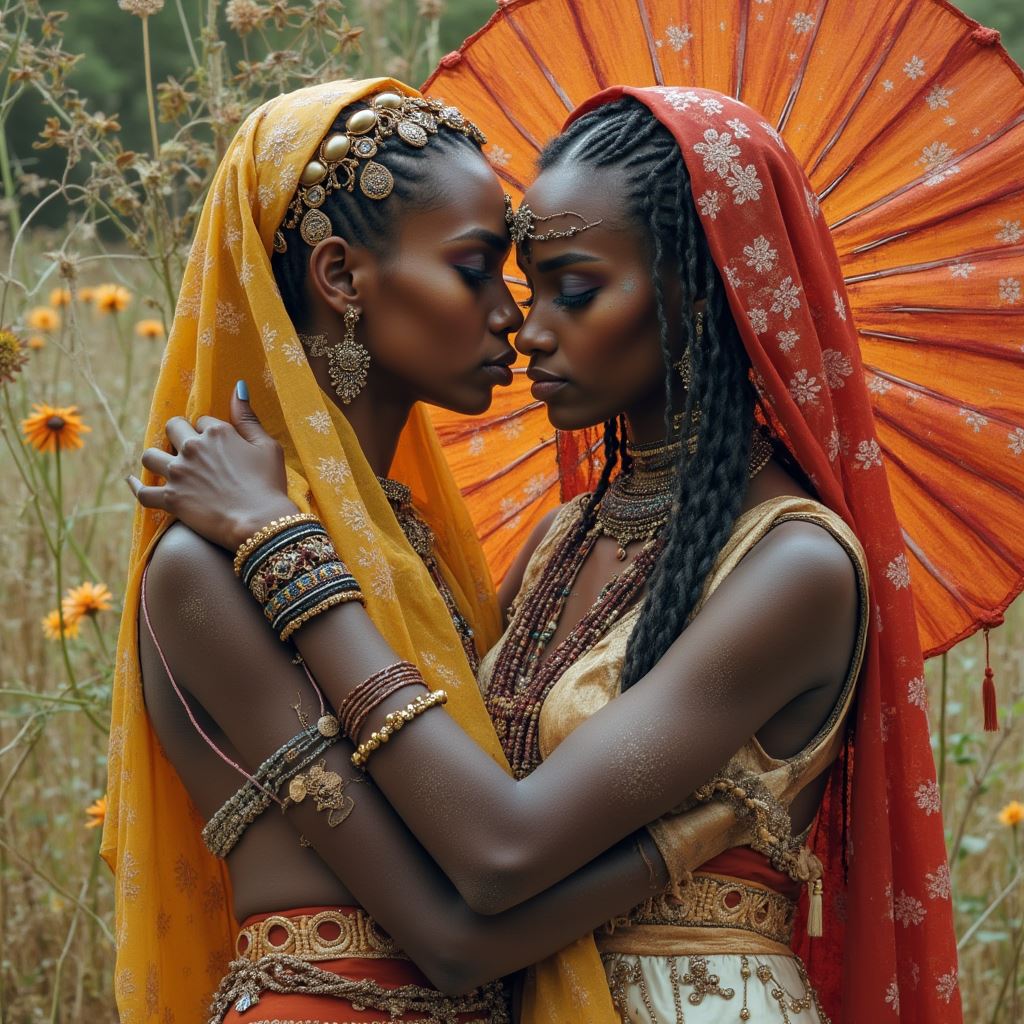
The Influence of Tradition and Culture on the Perception of Sexuality and Gender Identity
Do culture and tradition influence the understanding and integration of sexuality and gender identity? This question sparks much debate among researchers in the field of gender identity understanding. Culture and tradition deeply influence a person’s perception of themselves and of the environment in which they live. They indicate a complex understanding of gender, sexuality, and personal identity.
Tradition and culture require us to adhere to social norms and preserve certain values passed down from generation to generation. When it comes to sexuality and gender identity, tradition and culture can influence how we relate to individuals of different genders and how we define ourselves within those different genders.
Tradition and culture can create social stigmas around sex and gender, so it is important to understand how they may influence our perception of ourselves and others in relation to sexuality and gender identity. Only by understanding their influence can we create an inclusive society where everyone can live freely and feel valued in all aspects of life.
In conclusion, it can be said that culture and tradition significantly influence our understanding of sexuality and gender identity. We must be aware of their influence and consider how we want culture and tradition to play a role in our lives and in the society in which we live.
The Influence of Cultural Values on the Understanding of Gender Identity
Do culture and tradition influence the understanding and integration of sexuality and gender identity? This question is at the heart of the debate in the field of gender identity understanding. The influence of cultural values on the understanding of gender identity is a fascinating area of research that seeks to understand how the values, traditions, and cultures of different communities may impact individuals within the community.
Religious morality can influence our understanding of gender and sexuality.
Avi Gold – Rabbi
Culture and tradition are part of a person’s group identity. They provide a cultural and social framework within which personal and gender identities are constructed. Each culture contains values, uniqueness, and traditions that are attached to it, indicating how individuals behave, what their roles are, and how they identify themselves and their community within society.
Read More

Modern culture can lead to changes in our understanding of sexuality and gender identity.
Naomi Cohen – Society Researcher
The tradition passed down from generation to generation influences our understanding of gender identity and gendered behaviors. Cultural values like respect for the system of relationships, perceptions of men and women in society, and the gender roles presented in tradition can create dilemmas and contradictions between the cultural values passed down to us and modern perceptions calling for change and adaptation to new realities.
In conclusion, culture and tradition influence the understanding and integration of sexuality and gender identity, and it must be understood that they are an inseparable part of our identity and the social relationships in which we live.
By understanding the influence of traditions and culture on gender identity, we can better understand ourselves and others.
Yaniv Cohen – Culture Researcher
Cultural Development and Changes in Culture and Tradition as Means to Promote Equality and Gender Rights
Do culture and tradition influence the understanding and integration of sexuality and gender identity? The answer is clear – yes, culture and tradition significantly influence the development of society and its creation. Over the years, we have seen many changes in the culture and tradition of society, which can be coordinated and changed to promote equality and gender rights.
In the modern era, cultural development is a vital process that influences human thinking and behavior. Changes in culture and tradition allow people to develop and grow as individuals with broad and open perspectives on a wide range of identities and sexualities. In this way, we can create a society that accepts and values human diversity.
Culture and tradition serve as tools for passing on values and ethics to future generations, so it is important to consider changes in culture and tradition to promote equality and gender rights. This process requires an open and sensitive approach to the needs of diverse audiences in society, so it is important to understand how culture and tradition can influence the understanding of gender identity and people’s belonging in society.
In conclusion, cultural development and changes in culture and tradition are important tools in the struggle to promote equality and gender rights. We must be sensitive to cultural changes and promote open and constructive dialogue in society to create an accepting and appreciative environment for all identities and sexualities.
Culture as a Tool for Social and Administrative Change in Relation to Gender Identity
Culture and tradition are essential parts of our lives and influence our understanding of our gender identity. They contribute to encoding the concepts of sexuality and gender identity in public consciousness and societal values. Culture is a powerful tool for social and administrative change in relation to gender identity.
Culture provides a platform for social change and the promotion of gender equality. Through cultural institutions such as theaters, libraries, galleries, and festivals, messages of equality and respect for diverse gender identities can be conveyed. By creating artistic works and theater performances, social dialogue can be sparked and social change encouraged for the benefit of all communities.
Tradition also serves as a tool for passing on values and worldviews between generations. Preserving tradition can ensure the continuity of gender identity and pass on knowledge and experiences from generation to generation. This can help build a sense of commonality and connection to our historical roots.
In conclusion, culture and tradition are powerful tools in our hands for social and administrative change in relation to gender identity. We must use them to promote equality and respect for every individual, regardless of their gender or gender identity.
The Challenges of Integrating Culture and Tradition in Promoting Equality and Rights for Vulnerable and Leading Communities
The integration of culture and tradition with the understanding and integration of sexuality and gender identity is a major challenge for vulnerable and leading communities. When it comes to promoting equality and rights, it is important to understand the cultures and traditions of these communities and integrate them into educational and empowerment processes.
Culture and tradition are crucial for vulnerable and leading communities and can serve as a tool for preserving their identity and understanding their values and relationship systems. However, when it comes to integrating them into promotion processes of equality and rights, issues and conflicts that need to be addressed may arise.
The main challenge is to find the right balance between preserving culture and tradition and promoting the equality and rights of vulnerable communities. The ability to promote open and constructive dialogue that allows communities to express themselves and influence decision-making processes is required.
To address these challenges, it is important to dedicate time and effort to building bridges between culture and tradition and the understanding and integration of sexuality and gender identity. Only through collaboration and mutual understanding can the communities develop and overcome the challenges they face.
In conclusion, integrating culture and tradition with the understanding and integration of sexuality and gender identity is key to promoting equality and rights for vulnerable and leading communities. Only through joint work and deep understanding can society progress and develop in an equal and methodical manner.


